Professional Concrete Contractor for All Your Construction Needs
Hiring an skilled concrete contractor is crucial for the achievement of any construction project. Their expertise guarantees that tasks are completed promptly and to a superior quality. These professionals navigate challenges with proficiency and have proven connections that streamline material sourcing. Comprehending local regulations and prioritizing safety are also important elements of their role. Yet, many overlook the lasting advantages of choosing the right contractor. What considerations should one consider when making this important decision?
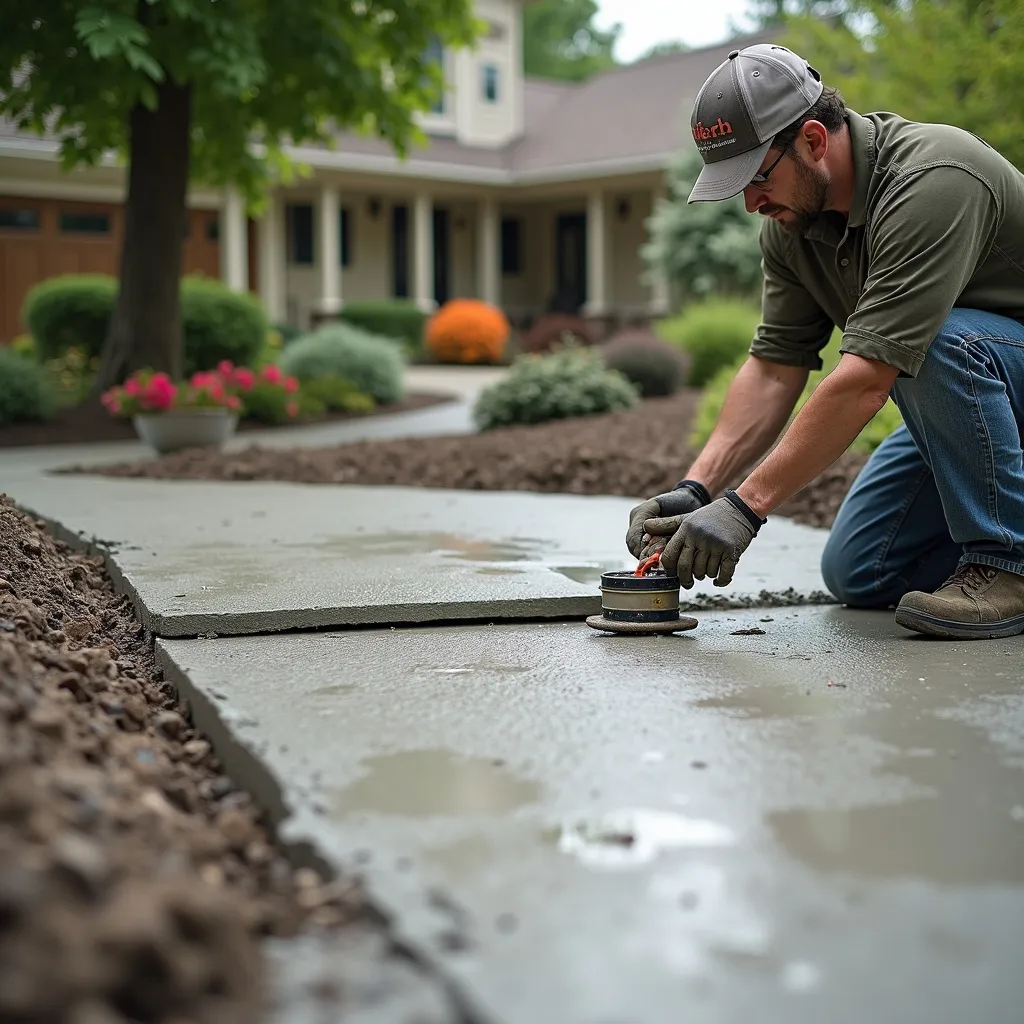
Why Appointing an Proficient Concrete Contractor Deserves Attention
When examining a building undertaking, the necessity of selecting an veteran concrete contractor cannot be understated. An knowledgeable contractor offers a considerable quantity of knowledge and competencies that are critical for maintaining the quality and resilience of concrete work. Their background with diverse approaches and substances permits for enhanced decision-making, in turn generating a more solid and trustworthy structure.
Additionally, experienced contractors are proficient in tackling potential challenges that may come up during the construction process. They are equipped to manage surprising setbacks efficiently, limiting interruptions and excess expenses. In addition, an seasoned contractor often maintains longstanding ties with vendors and trade contractors, which can facilitate the purchasing of items and assets.
Important Qualities of a Credible Concrete Contractor
A trustworthy concrete contractor has multiple crucial qualities that set them apart in the construction industry. First and foremost, excellent communication abilities are fundamental; they guarantee that clients are informed throughout the project, building trust and clarity. Additionally, a strong track record built on favorable client reviews and recommendations indicates a contractor's dependability and quality of work.
In addition, competence in various concrete applications, together with knowledge of the latest techniques and materials, enables them to offer superior results. Detail-oriented focus is another key quality, as it ensures precise measurements and strict levels of workmanship.
Ultimately, a dedication to safety and compliance with rules reflect professionalism and responsibility. By displaying these qualities, a trustworthy concrete contractor not only meets client expectations but also contributes to successful project outcomes, making them indispensable in the construction field.
A Guide to Finding the Perfect Concrete Project for Your Specifications
Picking the appropriate concrete project requires detailed thought of specific needs and objectives. Individuals should initiate by assessing the intended use of the concrete, whether for driveways, foundations, or decorative elements. A clear understanding of the project's purpose directs the selection of materials and methods.
Next, budget constraints have an essential role. Analyzing available financial resources helps in determining the size and sophistication of the project. Additionally, the local climate can shape the preference of concrete option and finishing approaches, ensuring durability and longevity.
It is also necessary to consider the timeline for finishing your project. Some concrete applications need time to set, which may affect scheduling. Engaging with an experienced concrete contractor can offer valuable insights into the best practices and options on offer. Ultimately, matching the specifics of your project with your specific needs achieves a successful concrete project that meets the intended goals.
What You Must to Know About Local Concrete Regulations?
Grasping local concrete codes is vital for any construction project, as these rules determine various dimensions of concrete use, including ingredient requirements, application techniques, and sustainability factors. These codes are typically created by municipal or state authorities and can vary greatly from one location to another.
Contractors must be aware of zoning laws, which can influence where concrete structures may be built. Additionally, building codes often specify the required strength and composition of concrete mixes, guaranteeing safety and durability. Environmental regulations may also mandate the use of eco-friendly materials and proper waste disposal methods to reduce environmental visit this page impact.
Disregarding these regulations can bring about charges, timeline delays, or even legal action. Thus, engaging with local authorities early in the planning process is recommended. Understanding and following these regulations not only fosters community safety but also reinforces the integrity of the construction project.
Skilled Builders Help You Save You Time and Expenses
Experienced contractors play a vital role in facilitating construction projects, allowing clients to capitalize on both time performance and cost advantages. Their extensive experience enables them to navigate complex tasks swiftly, reducing the overall project timeline. By leveraging industry connections, experienced contractors often secure better quotes on materials, translating to lower expenditures for clients.
Moreover, their knowledge of local laws guarantees compliance, which minimizes the risk of costly setbacks and penalties. Effective project oversight is an additional key advantage, as these professionals coordinate workforce and materials, preventing obstacles that can lead to higher costs.
Moreover, by employing established methods, skilled professionals mitigate the probability of mistakes, which can result in costly revisions. Ultimately, hiring an experienced contractor not only improves the caliber of the project but also optimizes financial resources, making it a wise choice for any building project.
The Significance of Quality Resources and Techniques in Concrete Work
Quality in concrete work is crucial, as it directly affects the durability and longevity of any construction project. The choice of high-grade materials plays a essential role; inferior concrete can lead to cracking, erosion, and structural failure over time. Using quality aggregates, cement, and additives ensures that the final product can withstand environmental stresses and heavy loads.
Additionally, applying advanced techniques in the mixing, pouring, and curing processes markedly improves the integrity of the concrete. Proper mixing ratios and treatment techniques help accomplishment of ideal resilience and reduce liabilities. Skilled contractors understand these nuances and execute best practices to guarantee outstanding results.
Ultimately, investing in quality materials and techniques not only improves the structural integrity but also minimizes long-term maintenance costs. This basis of dependability is essential for both commercial and residential projects, ensuring that they stand the test of time. Concrete work quality is an investment that pays dividends.
Frequently Raised FAQs
What Kinds of Concrete Solutions Do Contractors Typically Deliver?
Concrete contractors frequently furnish a range of services including concrete foundation pouring, driveway setup, concrete decorative solutions, laying slabs, creating patios and sidewalks, resurfacing and repair work, as well as concrete demolition and recycling.
What duration should you expect for a typical concrete undertaking?
A conventional concrete project typically takes from one to three days, subject to factors such as project size, complexity, weather conditions, and curing time. Larger or more intricate projects may necessitate additional time for completion.
What Are the Common Indicators of Substandard Concrete Work?
Observable marks of inferior concrete execution include apparent breaks, uneven surfaces, poor water management, discoloration, flaking, and fine powder loss. These issues often indicate inadequate curing, improper mixing, or lacking preparation, compromising the structural soundness and service life.
Can I Ask for Custom Designs for My Concrete Project?
Yes, individualized designs for concrete projects can be demanded. Several builders offer flexibility in design, allowing clients to incorporate unique features and visual characteristics that reflect their objectives, enhancing both functionality and visual appeal.
In What Ways Do Atmospheric Conditions Influence the Hardening of Concrete?
Weather elements greatly impact concrete curing. High temperatures can quicken drying, bringing about cracking, while cold can slow the process, creating risk of incomplete hydration. Ideal curing requires moderate temperatures and consistent moisture to guarantee durability and strength.